The Foundation of Kitchen Storage
Effective kitchen storage in compact spaces requires a strategic approach. You're not just organizing items—you're designing a system that makes cooking easier, reduces stress, and maximizes every available inch.
This comprehensive guide covers everything from basic principles to advanced techniques for creating storage solutions that actually work in real life.
1. Vertical Storage Systems
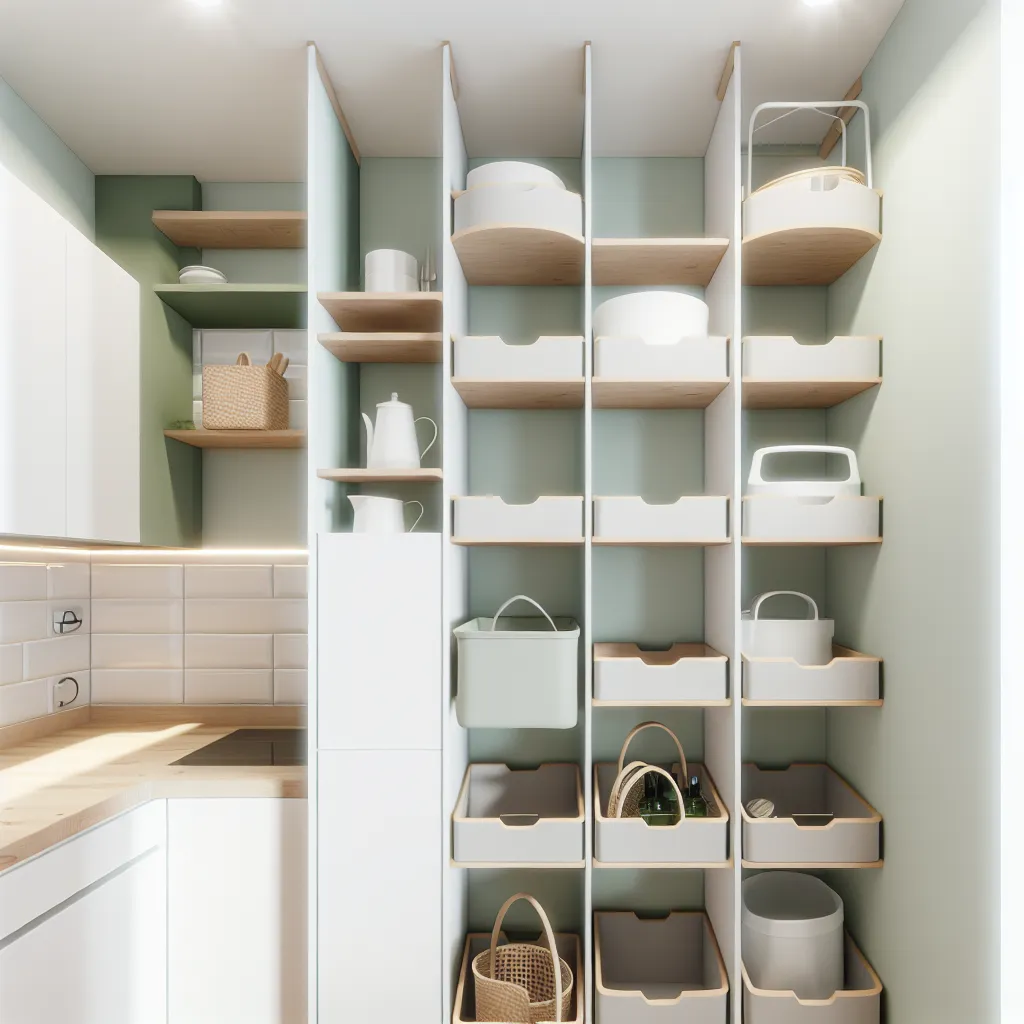
When floor space is limited, vertical storage becomes your best friend. Here's how to maximize wall space:
- Wall-Mounted Shelves: Install floating shelves above counters and in empty wall spaces. Use pale wood or white to keep the space feeling open.
- Magnetic Strips: Perfect for knives, metal utensils, and even spice jars with metal lids. Mount at eye level for easy access.
- Hanging Rails: S-hooks on rails can hold pots, pans, utensils, and even mugs. Position near your cooking zone.
- Pegboard Walls: Highly customizable and perfect for renters. Paint to match your kitchen aesthetic.
- Over-Door Organizers: Use the back of cabinet and pantry doors for invisible storage.
💡 Pro Tip: Height Matters
Store daily items between waist and eye level. Less-used items can go higher or lower. Never leave space above cabinets empty—use it for decorative storage baskets.
2. Cabinet Organization
Most kitchens waste 40-60% of cabinet space through poor organization. Here's how to fix that:
- Shelf Risers: Create two levels on one shelf, doubling capacity for plates, mugs, and canned goods.
- Pull-Out Drawers: Install sliding organizers in deep cabinets to access items in the back without digging.
- Lazy Susans: Essential for corner cabinets. Use for oils, vinegars, sauces, and condiments.
- Stackable Bins: Group similar items in clear bins that stack efficiently.
- Door-Mounted Racks: Add spice racks, foil holders, or small shelves to cabinet doors.
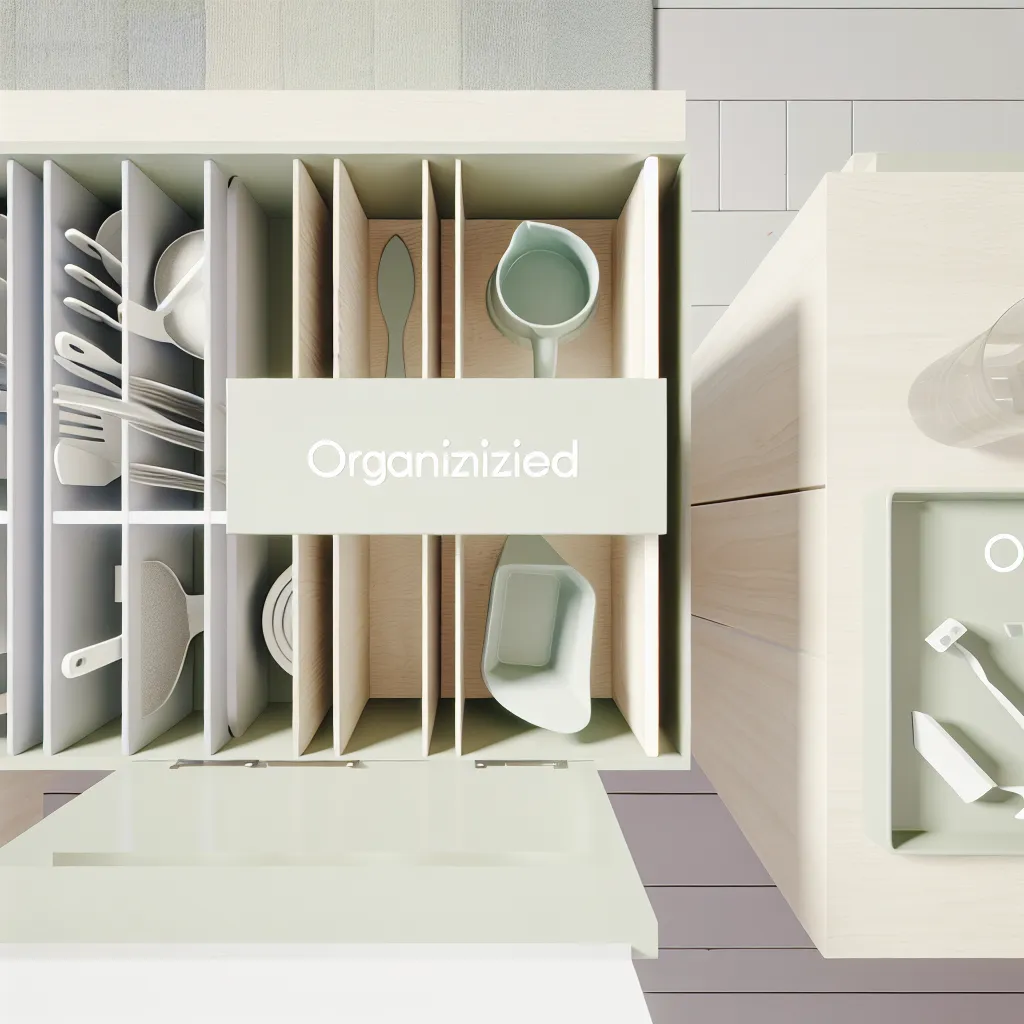
3. Drawer Solutions
Organized drawers are the secret to efficient kitchens:
- Expandable Dividers: Create custom compartments that adjust as your needs change.
- Utensil Trays: Separate tools by type—cooking, eating, specialty—for faster access.
- Vertical Knife Blocks: In-drawer knife storage protects blades and saves counter space.
- Modular Organizers: Mix and match sizes to create the perfect layout for your tools.
- Tiered Systems: Use risers in deep drawers to see everything at once.
4. Pantry Organization
Even the smallest pantry can be efficient with proper organization:
- Clear Containers: Transfer dry goods to uniform, stackable containers. Label everything clearly.
- Can Risers: Step-style organizers let you see every can without moving others.
- Basket Systems: Group snacks, baking items, or breakfast foods in labeled baskets.
- Door Storage: Use the pantry door for spices, wraps, or small items.
- First-In-First-Out: Arrange items so older products are used first.
5. Under-Sink Storage
This awkward space can be tamed with the right approach:
- Adjustable Shelves: Work around pipes with customizable shelving units.
- Pull-Out Caddies: Keep cleaning supplies organized and accessible.
- Door Organizers: Hang sponges, scrubbers, and gloves on the cabinet door.
- Lazy Susan: Use for bottles and spray cleaners that roll easily.
- Waterproof Liners: Protect the cabinet bottom from leaks and spills.
💡 Remember: Maintenance Is Key
The best storage system in the world fails without regular maintenance. Schedule monthly resets to keep your organization functioning smoothly.
6. Counter Storage
Counters should be functional workspaces, not storage areas. Keep only essentials visible:
- Tiered Stands: For frequently used items like oils, salt, and pepper.
- Utensil Crocks: Hold only the tools you use daily near the stove.
- Appliance Garage: Corner units that hide small appliances behind doors.
- Cutting Board Storage: Vertical slots or wall-mounted racks keep boards accessible but out of the way.
Creating Your Storage Plan
Now that you understand the options, here's how to implement them:
- Assess Your Current State: Empty one area at a time and evaluate what you actually use.
- Measure Everything: Know your cabinet, drawer, and wall dimensions before buying organizers.
- Prioritize Access: Most-used items get the best spots. Rarely used items go high or low.
- Start Small: Organize one drawer or cabinet completely before moving to the next.
- Test and Adjust: Live with your system for a week, then refine what doesn't work.
Ready to implement these storage strategies in your kitchen? Our team can help you create a custom plan.